
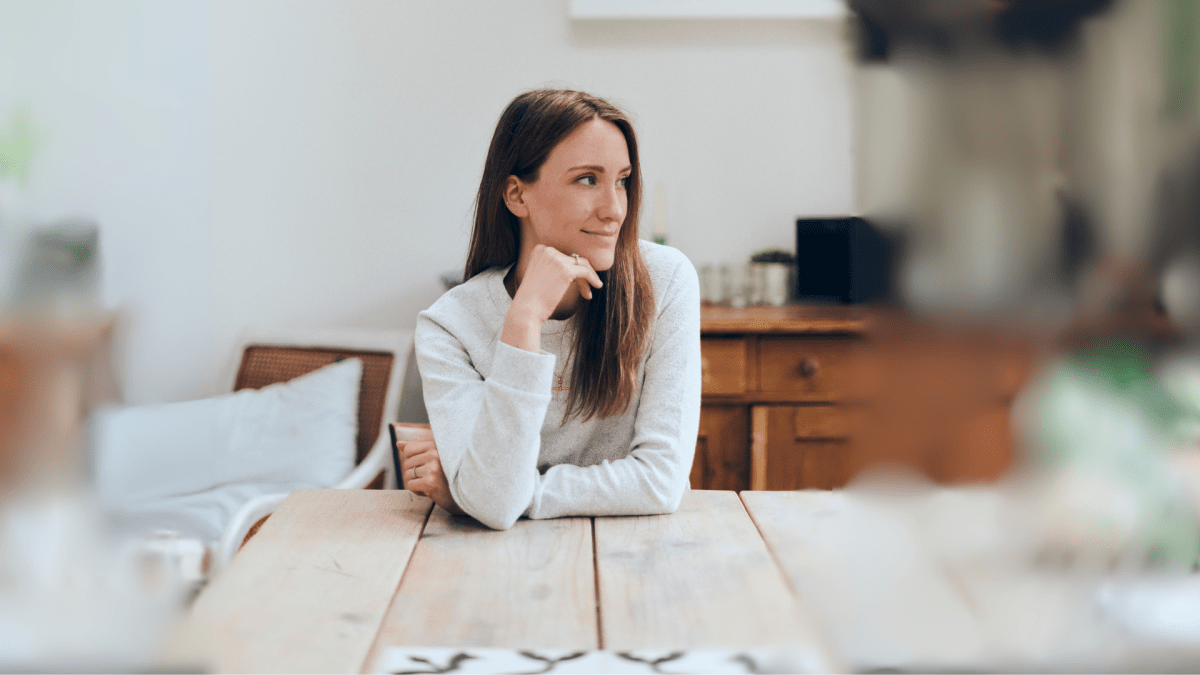
Recognizing ADHD in Adults and Women: Perspectives from Author and Podcaster Grace Timothy
How can we explain that Attention Deficit Hyperactivity Disorder (ADHD), one of the most widespread neurodevelopmental disorders worldwide, is so often overlooked in adults, and particularly in women? Defined by persistent difficulties with attention, impulsivity, and hyperactivity, this disorder has significant repercussions not only on daily functioning but also on emotional well-being and interpersonal relationships.
Widely recognized in children, ADHD has only gained visibility in adults in recent years, thanks to increased awareness, more effective diagnostic tools and a change in societal perceptions.
However, many adults, and especially women, remain undiagnosed for years, often masking their difficulties with coping mechanisms that become ineffective over time. Grace Timothy , diagnosed at age 37 in 2021, illustrates this reality. She lived much of her life without understanding the source of her difficulties. Once diagnosed, she noticed a glaring lack of information on how ADHD manifests in women, which motivated her to create resources to support people facing similar situations.
Starting with her podcast " Is It My ADHD? ", where she hosts open and honest discussions with experts and people living with the disorder, and more recently with the publication of her book "Is It My ADHD? Navigating Life as a Neurodivergent Adult".
During this interview, we discuss the challenges of diagnosis in adults, the specific experiences of women, and the crucial importance of raising awareness and providing more support to those affected by this disorder.
-
You were diagnosed with ADHD four years ago, after living much of your life with seemingly inconsistent symptoms. Looking back, what are the key signs of ADHD that you can now identify in your experience?
Despite my constant efforts to control the anxiety and other mental disorders I had accumulated over the years, I invariably fell back into recurring patterns of behavior and emotional states.
Today, I realize that ADHD was probably at the root of these experiences, unknowingly depriving me of the opportunity to fully recover and function with the apparent ease of others.
Hyperfocus, which I long mistook for a rigorous work ethic and an overflowing passion, has always been a major component of my life. Difficulties forming and maintaining friendships, as well as an inability to hold down a job long-term, were also clear warning signs.
The "boost and crash" cycle I started experiencing in elementary school is quite classic, and the constant feelings of overstimulation and understimulation were ever-present. The biggest surprise, however, was discovering that it was all related to an energy imbalance. Things like boredom, fatigue, and a lack of motivation for tasks such as exercise or even personal hygiene were aspects I was so ashamed of that I ignored them.
Gaining a new awareness of myself has greatly helped me to better manage these challenges, and I now try to highlight my strengths as much as possible.
-
Why is ADHD so often associated with childhood, and what consequences does this misconception have for adults who suffer from it?
In 2025, it is striking to note that assessment and pre-diagnostic tools remain largely designed for children, neglecting adults who have spent years perfecting their camouflage strategies. They have learned to conceal their characteristic traits and conform to social expectations.
The persistent stereotype associating ADHD with hyperactive boys stems from initial studies, which focused on male children. For a long time, it was believed that ADHD disappeared in adulthood, which significantly hampered the diagnostic process. Frontline healthcare professionals, often poorly informed about adult ADHD, did not suggest assessment. The education system, meanwhile, failed to detect ADHD in girls and young women because they did not fit the established criteria.
In my case, I wasn't disruptive in class. On the contrary, I made considerable efforts to suppress my hyperactivity and conform to the ideal of the quiet, docile, and attentive little girl. As a result, I didn't meet the behavioral expectations required for evaluation. Fortunately, adult awareness has improved significantly since my diagnosis.
-
You dedicated your podcast and your book to the experiences of women with ADHD. What prompted you to focus on this particular demographic group?
When ADHD was first suggested to me, the information available online didn't resonate with my experience. It wasn't until I added the word "female" to my searches that I discovered revealing articles, enough to understand that the symptoms manifest differently in women and girls. The descriptions in these articles finally reflected my own experience.
As I delved deeper into my research, I discovered that the diagnostic criteria and the majority of studies, even in 2021, were still largely based on white male cases. The NICE* guidelines for healthcare professionals only incorporated the specificities of ADHD in girls and women in 2018. I was outraged! The idea of being invisible because of my gender was appalling.
I realized that societal expectations regarding behavior played a crucial role. Girls tend to internalize their symptoms and hide them in order to conform.
Although the situation has improved over the past four years, with a better understanding of gender differences and a near-equal ratio of adult male to female diagnoses, we are still operating in a predominantly male space. That is why I wanted to share research and experiences specific to women and people assigned female at birth (AFAB).
I rarely see myself reflected in men's experiences, and I think other women feel the same way. We often feel like we're both "not enough" and "too much," struggling to conform to stricter social norms for women. These intersections need to be brought into the conversation to fully understand our experiences.
-
For someone recently diagnosed with or suspected of having ADHD, what practical steps would you recommend to better understand their symptoms and begin seeking support? Are there any specific resources you would suggest?
The essential starting point is always a consultation with a general practitioner. The symptoms you attribute to ADHD may actually reflect other conditions. A specialist opinion is therefore indispensable for a thorough evaluation and an accurate diagnosis, thus ensuring appropriate treatment.
With this in mind, I designed my book and podcast as complementary tools to this process, aiming to break down isolation and offer support to those seeking answers. It is crucial to emphasize the diversity of ADHD manifestations, which vary considerably from one individual to another. In your research, keep in mind the many intersecting factors that influence the experience of ADHD, such as gender, age, and other neurodivergent conditions.
Don't forget the three clinical presentations of ADHD: inattentive, hyperactive, and combined. A clear understanding of these distinctions is essential. Finally, be wary of misinformation, which is particularly prevalent on social media. Always prioritize reliable and verified sources to avoid getting lost in a flood of misleading information.
*NICE (National Institute for Health and Care Excellence) is a public body in England that provides clinical guidelines, recommendations and advice based on scientific evidence to improve the quality of healthcare.


,%20one%20of%20the%20most%20widespread%20neurodevelopmental%20disorders%20worldwide,%20is%20so%20often%20overlooked%20in%20adults,%20and%20particularly%20in%20wom...)