Democratizing Creativity with Fran Lee of Flourish
Too often, creativity is reduced to art galleries and major scientific discoveries. Yet, it also manifests itself in the way we arrange our living spaces, ingeniously repair an object, or find beauty in the details of everyday life. Creativity is a vital force, essential for self-expression, problem-solving, and human connection. So why do so many people feel excluded from this realm, perceiving it as a territory reserved for an artistic or financial elite?
It is precisely this obstacle that Flourish , a bold non-profit initiative, is working to overcome. For Flourish, creativity is not a privilege, but a fundamental right. Born from a deep conviction to make art accessible to all, regardless of their background, experience, or means, Flourish is both a dynamic design studio and a key player in the social fabric. Through the creation of joyful and inclusive spaces, the organization is committed to distributing donated art supplies to those who need them most.
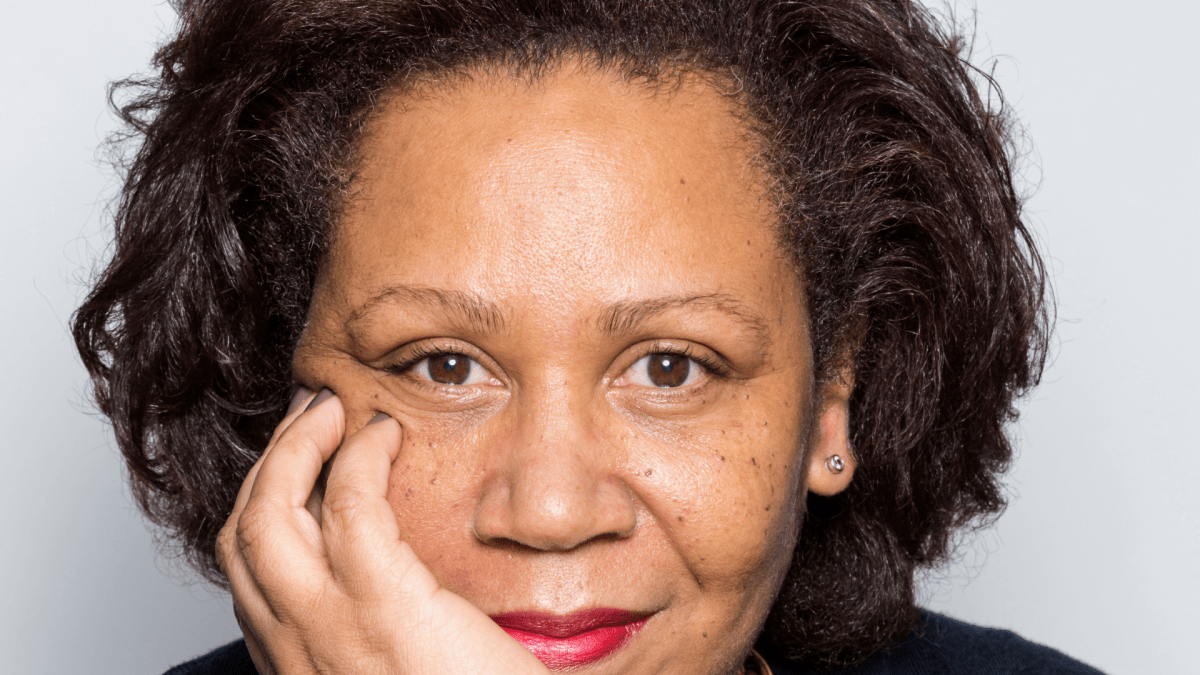
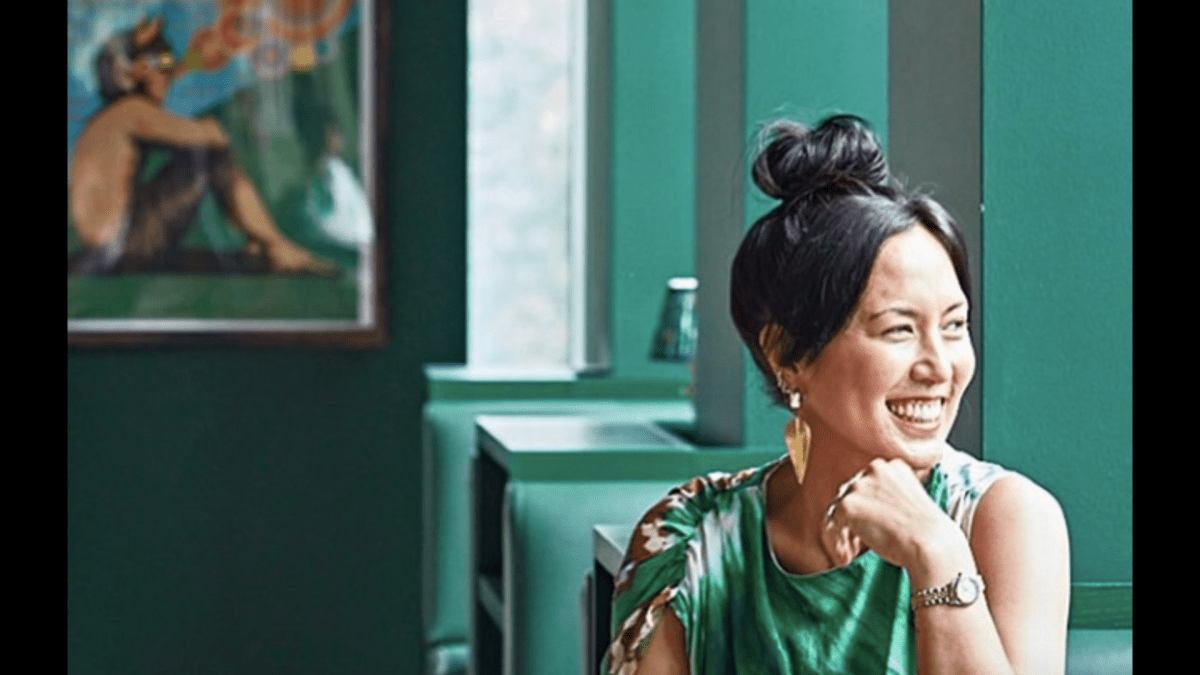
In this interview, we meet Fran Lee, the visionary founder of Flourish . With over twenty years of experience in fields as diverse as design, fashion, events, television, and art direction, Fran has collaborated with prestigious institutions such as the Design Museum, the BBC, and Westfield London. She shares her unique perspective on the role of creativity in our lives, explores the reasons behind the creative disconnect felt by many, and reveals the keys to sustainably integrating creativity into the heart of community spaces.
1. I read that your own childhood, marked by limited access to art materials, inspired the creation of Flourish. Could you tell us more about that?
When I was a child, we lived very modestly. My family lived on the top floor of a building in a small, one-bedroom apartment. Our playtime consisted mainly of pretend play, crafts, and DIY projects with found objects. A blue tarp in the hallway with a baby bathtub filled with water that became a boat, or tin cans transformed into telephones—my mother was an incredibly inventive parent. Although I never felt like I was "lacking anything," I know now, as an adult, that my parents were struggling.
As a child passionate about art and creativity, art supplies were a real luxury. We relied on donations from our (more privileged) neighbors or charity shops. I dreamed of having oil paints or an easel, but I knew those dreams were unattainable. Most of the time, I drew houses and gardens with my colored pencils.
When I launched Flourish, my goal was to find a way to support those who lack access to creative resources. Therefore, part of our work involves distributing art supplies to local organizations and individuals within the community.
2. What is your definition of creativity and in your opinion, what prevents people from considering themselves creative? How can we change this perception?
When people think of creativity, they often picture traditional skills like drawing or painting—capturing the world around us on canvas or paper. Yet, creativity is so much broader than that. It's hidden in the way you wrap a gift, the clothes you choose, how you present a meal, or even the arrangement of flowers in a vase.
Creativity isn't just about creating a grand work of art or performing spectacular feats; it's primarily a form of expression, a way to solve problems, and a unique way of perceiving the world. Your creative outlet might not be immediately obvious, but I'm convinced everyone has one. If you don't know where to start, I encourage you to try something new: embroidery, pottery, papier-mâché, or even photography.
Being creative brings genuine pleasure and a profound sense of satisfaction. It's an enriching facet of life that helps us discover beauty in the simplest moments. And when you allow creativity to permeate your daily actions, you'll realize it's not just about the end result; it's about the enrichment it brings to your life, how it makes each moment more colorful, spontaneous, and connected.
3. Sustainability is at the heart of Flourish's model – reusing materials, avoiding waste. How do you reconcile creativity and ingenuity while remaining eco-conscious?
To be perfectly honest, it's a constant balancing act between heart and reason. We distribute arts and crafts supplies through our Flourish Banks, which function a bit like food banks—people can drop off creative items they no longer want, which are then reused by others. In this way, we create a circular economy and help reduce waste while supporting creativity.
But when it comes to designing spaces, things get complicated. Deadlines, budgets, and building regulations can make it difficult to always find the "right piece" at the right time. Sometimes, despite our best efforts, we have to buy new—which can be discouraging when sustainability is so central to our values.
It's really a bit of a matter of luck: being able to find what you need, when you need it. That's why it's crucial to work with clients who trust the process and share the vision. If I tell them I've found the perfect second-hand, bright red corner sofa for £100—when we had originally planned to go with yellow—it's a victory when they understand, embrace the idea, and make it their own. This kind of flexibility makes all the difference in bringing lasting creativity to life.
4. You just mentioned the Flourish Banks, which are such a unique aspect of your work. Of all the initiatives you've launched, which are you most proud of – and why?
The Flourish Banks are something we're really proud of. Securing funding from Westminster Council's Community Priorities Programme allowed us to run them for two years, which was a huge step. That said, the process was more challenging than we anticipated – we underestimated how long it would take to raise awareness of the model.
It's still a work in progress, but setting up a donation point at Cass Art, the UK's largest art supply retailer, has been a real highlight. I've always admired their mission – "Fill this city with artists" – so being part of this space felt incredibly special. I even got quite emotional picking up the first full donation box.
5. As a creative, you have worked with major institutions such as the BBC and the Design Museum. How does designing for a community center or a general practitioner's office differ from working on a global campaign?
When you work with a major brand or institution, the direction is often set by the organization itself. There are brand guidelines, hierarchical levels, and a range of needs to be met. In many ways, it's simpler because everything is clearly defined, and your role is to respond to the brief.
With Flourish, it's a completely different landscape. Our client is the community—a constantly evolving entity. We interact directly with the community as the end user, and while we consider input from staff and other stakeholders, the community's needs always come first. Getting to know and understand those needs is fundamental to the space's success.
What sets Flourish apart is our engagement-driven model. As designers, we don't just design the space; we also lead outreach and community engagement efforts to ensure accountability and authenticity. We listen directly to people about what they want, and our goal is to bring that vision to life, ensuring it truly reflects the voice of the community.
6. Finally, how can we make creativity a more central part of everyday life, rather than something reserved for artists or special occasions?
Stop thinking of creativity as something you absolutely have to find time for—it doesn't work that way, and it's far too easy to put things off. Instead, think of creativity as a spark of joy, something you can sprinkle into your daily routine . It's about the little things that make you smile: choosing mismatched socks, arranging flowers in a vase, doodling in the margins of a notebook, setting a beautiful table, cooking and sharing a meal, writing a poem, jotting down your dreams, or taking a photograph. The list is endless, and the key is simply to begin. You don't need a grand project or fancy equipment—creativity is about making everyday life more colorful, spontaneous, and joyful.