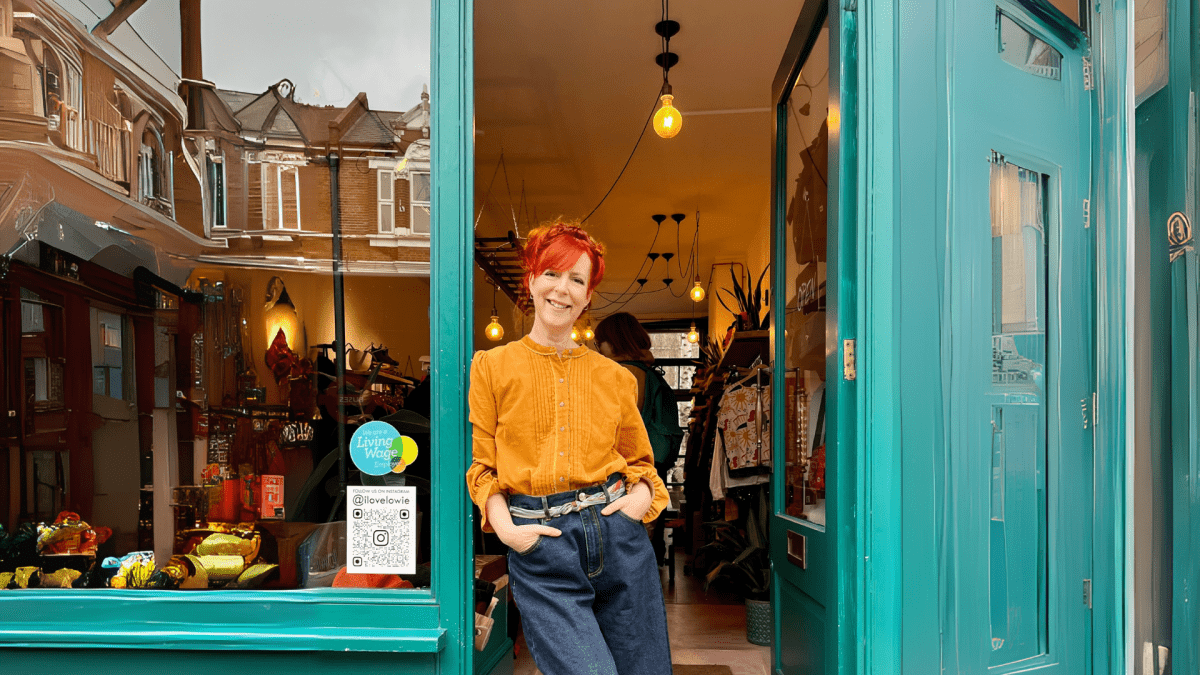
Everyday Sustainability: A Path Towards a Responsible Future with Ali Clifford
What can we do to preserve our planet in the face of growing environmental challenges?
As these challenges become increasingly urgent, sustainability is more crucial than ever for protecting our planet. According to the United Nations, approximately 8 million tons of plastic end up in our oceans every year, illustrating the scale of the problems we face. Sustainability, defined as the ability to meet the needs of the present without compromising the ability of future generations to meet their own needs, goes far beyond simple environmental choices. It encompasses a lifestyle based on responsible consumption, respect for natural resources, and effective waste management.
In a fast-paced consumer society, every purchasing decision, every daily action, and every lifestyle habit can have a direct impact on the environment. By returning to simple, local practices, such as reducing waste, repairing items, or buying secondhand, we can take concrete action to limit our ecological footprint. These small, individual actions, while seemingly modest, can combine to generate large-scale change.
In this interview, we explore the journey and vision of Ali Clifford, a marketing consultant, TEDx speaker, and passionate advocate for sustainability. Through her personal and professional experiences, she shares concrete ideas for integrating sustainable practices into our daily lives and local communities. We'll see how simple actions, such as volunteering, repairing, and reducing waste, can have a positive impact on a large scale.
- What inspired you to become passionate about sustainability, and how did your journey begin?
Having grown up in the 1970s in a modest but very self-sufficient family, sustainability was part of our daily lives without us even realizing it. My father repaired everything he could, from bicycles to watches, and my mother made our school uniforms on the kitchen table. We had a vegetable garden and a lifestyle that encouraged mutual support and reuse. This humble way of life was deeply rooted in a logic of economy and respect for resources, but at the time, it didn't particularly interest me.
In my twenties, I chose to distance myself from this lifestyle by heading into the world of business and design, where I was more focused on professional success and modern consumption. It wasn't until much later, around the age of 30, after the birth of my first child, that I became aware of the importance of these sustainability values. My journey was largely influenced by my sister, whose thoughtful and environmentally conscious approach to raising her own children greatly inspired me. It was then that I felt called to return to these principles, not only for my own life, but also to offer my children a more resource- and environmentally-conscious future.
- Can you share examples of small, sustainable local actions that you believe could have a significant impact?
There are many small, local actions that, when multiplied, can truly have a lasting and significant impact. One of the most powerful ways to contribute to sustainability is, in my opinion, volunteering. If you have the time, it allows you to get involved in local initiatives and make a tangible difference, while also strengthening the social fabric.
For example, supporting projects like community gardens or local organic farms helps build strong community ties while supporting sustainable, local agriculture. These initiatives not only benefit the environment but also offer learning opportunities, such as managing a vegetable garden or learning the principles of organic farming. This is a concrete way to encourage responsible consumption and promote local self-sufficiency.
Another idea is to engage in environmental education programs, for example by distributing seasonal plant-based recipe kits to schoolchildren. This type of project not only raises awareness among younger generations about the benefits of a more sustainable diet, but it also contributes to reducing food waste and promoting local food production.
- How do you see the link between local sustainability efforts and global environmental issues? Can small actions truly contribute to major change?
I am convinced that small, local actions, while they may seem modest, can have a considerable impact on global environmental issues. Sustainability efforts at the local level help create a culture of responsibility and environmental awareness, and when multiplied, these actions have a far greater ripple effect than one might imagine.
For example, I regularly organize repair workshops where participants learn to fix everyday objects, and what I find particularly encouraging is the enthusiasm and solidarity that emerge during these events. It's a form of engagement that restores value to objects that could easily be considered disposable, and that encourages people to rethink their consumption.
This kind of local action, while seemingly simple, is part of a global movement. Another example that particularly resonates with me is The Or Foundation in Accra, Ghana, which works with communities to find creative solutions to the problem of textile waste. This project clearly illustrates how local initiatives can have a global impact, raising awareness about waste management and creating sustainable economic opportunities for communities.
- What advice would you give to consumers (citizens) who are looking to be more mindful of their purchasing decisions during the holiday season? And any other tips for reducing food waste?
I prepare Christmas hampers for my family, filled with homemade treats and small gifts from charity shops like Oxfam . We reuse the same hampers every year and save our large jars of passata* to make treats for the family, such as candied oranges dipped in organic dark chocolate. Tied with a ribbon, these homemade gifts are made with love. As for food waste during the holidays, I suggest downloading the Olio app, which allows you to pass on what you no longer need to people who live nearby.
- What changes or trends in sustainability excite you most for the future?
What particularly pleases me is the growing awareness among citizens of their environmental, social, and governance (ESG) impact. More and more people are integrating these criteria into their daily choices, whether for their personal finances, their retirement, or their consumption habits.
In the fashion industry, many brands are adopting more sustainable practices, using eco-friendly materials, recycled fabrics, and implementing repair programs. An inspiring example is the SOJO and Marks & Spencer project , which offers a home clothing repair and alteration service, making this solution far more accessible than throwing away damaged or ill-fitting garments.
The secondhand fashion market is also experiencing strong growth, with platforms like Vinted where users have already helped save 679 kilotons of CO₂ by reselling items. In another area, IKEA 's buyback initiative for furniture is an innovative and encouraging approach that gives objects a new life and reduces waste.
- Can sustainability truly be sustainable in the long term?
There's a saying that goes, "Living more sustainably isn't a hippie fad, it's a matter of survival." Sustainability isn't a fringe trend, but a vital necessity to ensure the future of our planet.
Small, local, goal-oriented actions can have an impact, gently sowing seeds of global hope that future generations can build upon.
*canned pureed tomatoes
Links :