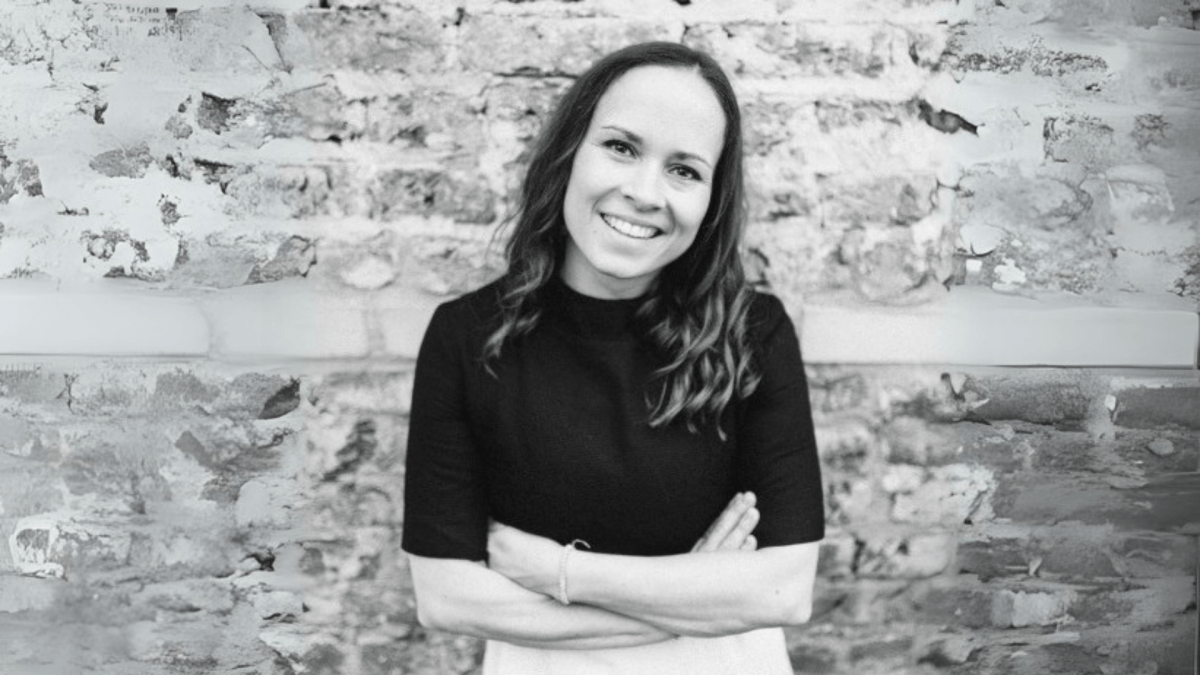
Breaking down cancer barriers: Shine and its commitment to young adults with Ceinwen Giles
Although cancer can affect people of all ages, the unique challenges faced by young adults are often overlooked by traditional support organizations. Between juggling a burgeoning career, maintaining personal relationships, and dealing with the financial burden of expensive, sometimes uncovered treatments, young cancer patients face specific and complex needs that don't always find adequate solutions. These gaps make the role of organizations dedicated to this age group, such as Shine Cancer Support, even more crucial. Shine Cancer Support is committed to providing targeted support and a space to connect with others in similar situations.
Shine is the only charity in the UK dedicated to supporting adults aged 20 to 40 diagnosed with cancer. Founded by Emma Willis and Ceinwen Giles, who themselves faced a cancer diagnosis at a young age, the charity arose from their difficulty in finding adequate support. Their shared desire to create the help they themselves wished they had received led to this unique initiative.
In this interview, Ceinwen Giles, co-director of Shine , looks back on the association's journey, the unique initiatives put in place to support its community and the ambitious projects that are shaping its future.
1. Can you explain how Shine grew from a small initiative to a national organization?
In its early days, Shine was just a small initiative. Emma, my co-founder, and I each had a job, and we hadn't planned on creating an association. It all started simply with meetings over coffee, because we felt isolated and wanted to connect with others going through similar experiences. Gradually, the idea grew, and we realized there was a real need and genuine potential to develop a more ambitious project.
In 2016, we decided to dedicate ourselves fully to Shine. That same year, we also hired our first employee. Since then, our team has grown to eight members. We also collaborate closely with a wide network of freelancers and partner organizations, which has significantly amplified our impact.
What began modestly in London and Dorset has grown into a network of 17 groups spread across the country, in close partnership with healthcare professionals.
Emma and I bring complementary skills to Shine. She manages operations, overseeing finance, policy, and IT systems, while I handle funding and program coordination. My international experience, particularly with organizations like the UN, where I led large aid projects, has been invaluable in structuring and growing Shine.
Together, we were able to transform a small local initiative into a national organization serving young adults with cancer.
2. In your opinion, how does the support needed by people aged 20 to 40 differ from that needed by younger or older people? Why is it essential to have an organization dedicated to this age group?
Adults between the ages of 20 and 40 are often perceived as self-sufficient: they work, manage their own lives, and are expected to face difficulties on their own. Consequently, numerous initiatives exist for older people, as cancer is often associated with advanced age. Similarly, considerable support is offered to children, as it is natural to want to protect them from suffering.
However, there is a real gap for the 20-40 age group, even though studies show a sharp increase in cancer diagnoses among 25-49 year olds.
It is therefore crucial to focus on this age group, as these individuals are often starting families and are at the peak of their earning potential. A cancer diagnosis at this stage can have major consequences, affecting both their career and their long-term financial stability. In contrast, for someone who is already retired, the impact is often less profound and lasting.
3. At the heart of Shine are community, connections, and relationships. Can you tell us more about your event programs?
We organize in-person meetups across the country through our networks. These events allow participants to connect and enjoy activities like coffee meetups, bowling, or even more unusual activities, such as axe throwing – one group did it last Sunday! The key is that these events are led by young adults living with cancer, giving them the freedom to choose the activities they want to organize.
These meetings are primarily social, not clinical: there are no nurses, no hospital atmosphere, just individuals meeting in a relaxed and supportive setting.
In addition to in-person meetings, we offer several online programs tailored to different age groups. Each program lasts six weeks, with two-hour sessions per week. These programs provide a space where participants can reflect on their diagnosis and journey, while connecting with others who have similar experiences.
We run a podcast, share personal stories on our website and organize an annual conference.
Another key event for us is our annual camping trip, which allows participants to get together and strengthen bonds in a friendly and relaxed setting.
To finance all these initiatives, we rely on fundraising, as we do not receive any government funding.
4. Cancer is often accompanied by stigma, making it difficult for those affected to speak openly about their experience. In your opinion, what can be done, both individually and collectively, to break down these barriers?
There's a common misconception that cancer is a death sentence, which generates overwhelming fear. Yet, treatments have made enormous progress, and many people survive cancer or live with it for a long time. It's essential to view cancer as a disease that can affect anyone, not as an irrevocable death sentence.
There is also a stigma surrounding cancer, with questions such as: "Did you do anything to cause this? Were you a smoker? Overweight?" These questions can be particularly difficult for younger people, for whom these factors often haven't had time to come into play.
In some communities, cancer and illness in general are taboo subjects, which makes it even harder for those affected to speak out. That's why it's crucial to open up these conversations. Cancer shouldn't be seen as a curse or a punishment, but as a disease that can affect anyone, like diabetes or hypertension.
We also need to be more open about the fact that, in many cases, cancer is treatable.
Regarding our programs, we offer sessions specifically designed for families. One of our online programs, "Plus Ones Circles," is designed for partners of people living with an incurable diagnosis. However, "incurable" does not necessarily mean a short life expectancy, but rather living with cancer long-term.
Furthermore, during our annual summer camping trip, we invite families, including children, to join us. It's an exceptional opportunity for all generations to meet others going through similar situations, creating a true spirit of solidarity.
5. Finally, how do you envision the evolution of Shine in the coming years, and are there any exciting projects or developments on the horizon?
We plan to hold an overnight retreat in the north of England next May, a format we are familiar with, having previously run three-and-a-half-day in-person retreats before the pandemic.
We are also excited to share the results of a survey we conducted, the first national survey in the UK on young adults with cancer. This study explores the priorities of this group, and we plan to release the results in early March. It took several months to complete, and we were fortunate to collaborate with a market research firm. We are confident that these results will provide valuable insights.