

Inclusive gaming: consent, diversity and accessibility at Topla
In the world of board games, a new generation of publishers is reinventing the rules. Gone are the rigid stereotypes and exclusionary mechanics. Today, brands like Topla are putting people at the heart of their creations, integrating fundamental values: consent , diversity , and accessibility . These are the three pillars of inclusive gaming.
But what do these concepts really mean in the world of games? And how do they influence the design, experience, and reach of a board game?
What is an inclusive game?
An inclusive game is one designed to be playable by everyone , without exclusion based on gender, origin, disability, or orientation. It is also a game that respects each player's pace and limitations, fostering a supportive atmosphere.
Characteristics of an inclusive game:
- Rules understandable by all profiles
- Non-stereotypical illustrations
- Content that respects all sensitivities
- Mechanics adaptable to different audiences
An inclusive game doesn't seek to tick a box. It aspires to create a play space where everyone can participate, express themselves, have fun, and be valued for who they are.
1. There are no right or wrong answers
For example, in games like CAN YOU? or NO WAY BULLY!, there is no judgment on the answers given and no right or wrong answers.
- The ability to give one's opinion without being judged
- Thought-provoking situations
- The right to change your mind
2. Diversity: representing all players
Diversity in board games requires a faithful and respectful representation of all identities. This goes far beyond simply balancing gender in illustrations.
Topla's concrete commitments regarding diversity:
- Characters of all origins, body types, and gender expressions
- Games that promote gender equality (e.g., an egalitarian card game)
- Visual aids that normalize disabilities and neurodiversity
This approach allows both children and adults to see themselves reflected in the games. It also opens the door to healthy conversations about inclusion and difference.
3. Accessibility: making the game playable by everyone
A game is accessible when it takes into account the physical, cognitive, and sensory abilities of its users. It adapts to the location, the available equipment, and the language used.
Example from the game Double Face by Topla:
- Symbol added to the cards so that colors can be distinguished by colorblind people
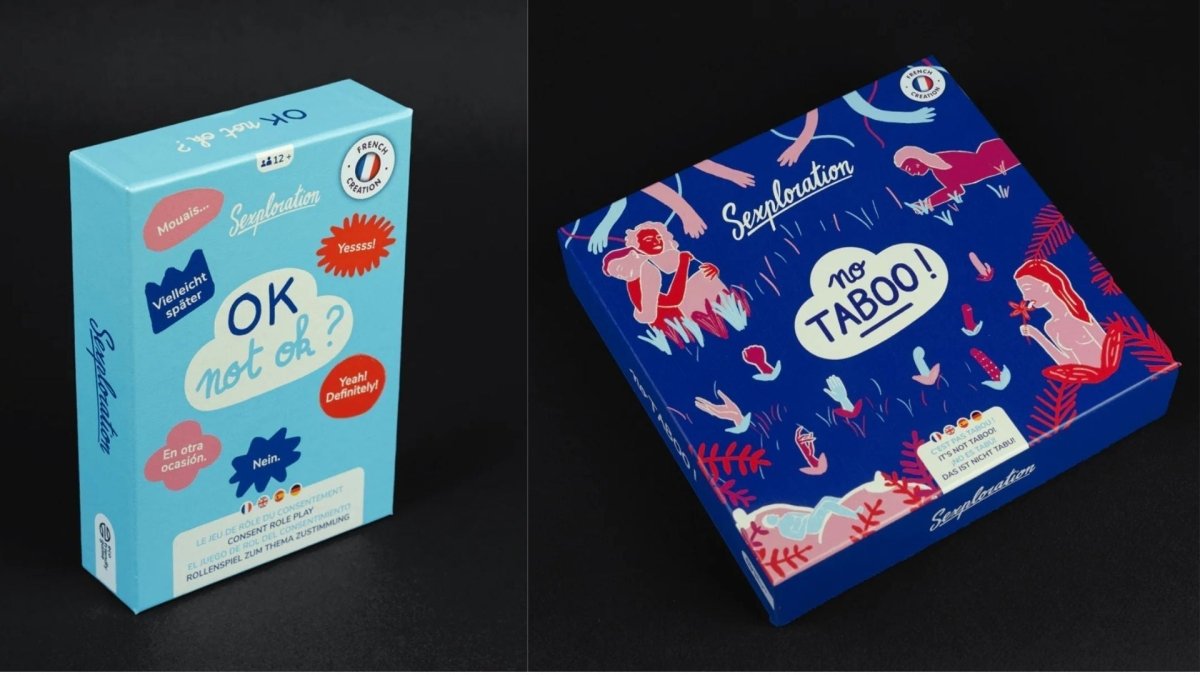
Example in the game NO TABOO
- Content without cultural, social or sexual orientation discrimination
Accessibility is not just about “opening up the game”: it’s about anticipating barriers , removing them from the design stage, and allowing everyone to fully participate in the collective experience.
Topla games, which concretely embody inclusive gaming.

Topla offers a comprehensive collection of inclusive games , designed to raise awareness of such essential topics as consent, equality, and privilege, while remaining fun and accessible.
Among them:
-
OK or Not OK?: an interactive game about consent. Players must analyze everyday situations and say whether it's "OK," "Not OK," or "It depends." The goal is to listen and reflect on the concept of consent. This game encourages discussion, without pressure or embarrassment, starting from adolescence.
-
Can YOU?: an immersive game about privilege and inequality. Each player embodies a fictional character with a specific identity (gender, skin color, social origin, sexual orientation, disability, etc.). Depending on this profile, certain statements allow you to progress... or not. A powerful way to become aware of the realities faced by others.
-
Equality Memo : a memory game where each pair matches a man and a woman working in the same profession. A simple and powerful way to deconstruct gender stereotypes from a young age.
-
True or False , MAP it! complete this committed collection by addressing sexual health such as contraception and STI prevention, with a playful and uninhibited approach.
These games demonstrate that it's possible to have fun while cultivating social awareness, listening skills, and respect. At Topla, inclusion isn't a bonus: it's at the heart of our mission.
Why these pillars are essential for the future of the game
Board games are more than just a pastime. They reflect our culture, serving as a tool for transmission, learning, and openness. By integrating these three pillars —consent, diversity, and accessibility— game creators shape a fairer, more inclusive, and more joyful society.
At Topla, these values aren't just a marketing ploy. They're at the heart of every idea, every test, every version produced. An inclusive game isn't a compromise: it's an opportunity to do better together.
To go further
The concept of accessibility in gaming is also the subject of academic research and educational initiatives. For more information, you can consult this page on the University of Lorraine website.
Conclusion
Consent, diversity, accessibility : these three pillars shape a new generation of board games, fairer and more humane. At Topla, they are our creative compass. By focusing on these values, we create games that bring people together, that respect, and that inspire. And what if that were the very essence of play?


Leave a comment
This site is protected by hCaptcha and the hCaptcha Privacy Policy and Terms of Service apply.