Towards a New Era of Travel with Kelley Mullarkey of Majestic Disorder
The travel industry has undergone a true transformation over the past decade. No longer limited to luxury, escapism, and simply ticking off must-see destinations, travel is now increasingly focused on meaning, mindfulness, and connection. Fueled by the rise of digital nomadism, post-pandemic introspection, and a growing desire for experiences rather than possessions (one could draw a parallel with gaming, which also offers experiences to players), the global travel landscape is undergoing profound change. From regenerative tourism to slow travel, and the ever-increasing influence of AI—which continues to reshape how we discover, plan, and experience travel—convenience now comes with increased complexity.
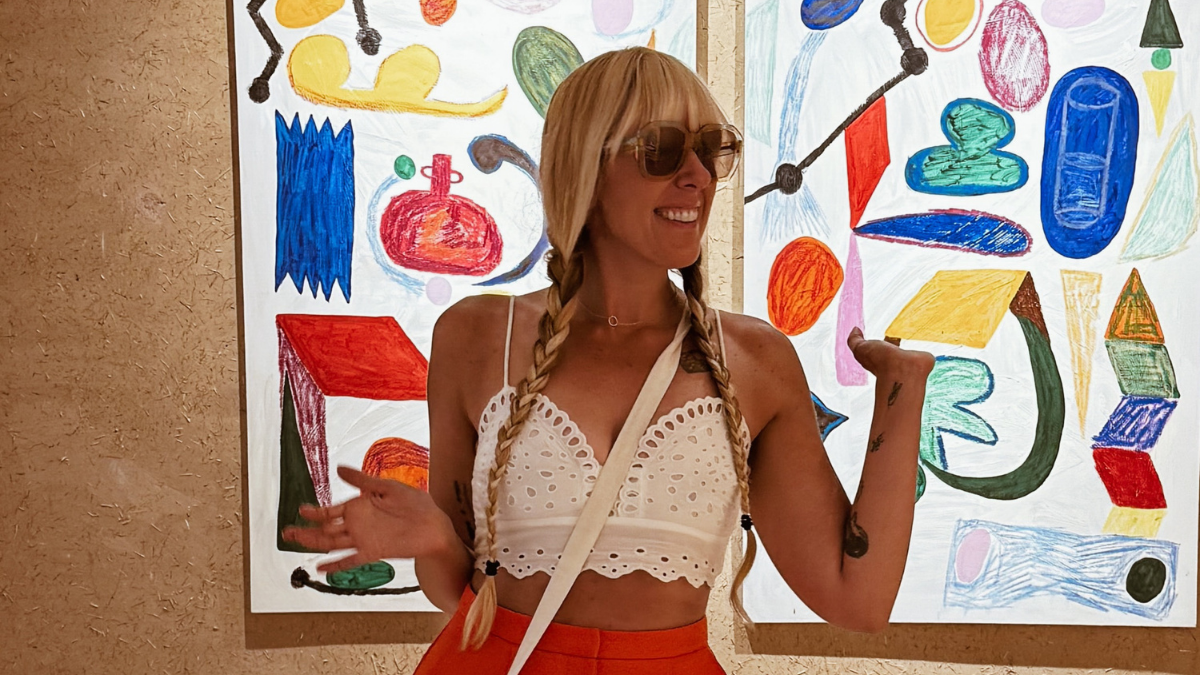
It is in this dynamic context that we interview Kelley Mullarkey , the founder and creative director of Majestic Disorder —an independent art, travel, and culture magazine, as well as a creative and consultancy agency. She is also the driving force behind Majestic Disorder Travels, a boutique travel agency that connects artisan communities with curious and conscious explorers. With over 60 countries under her belt, Kelley offers a rich perspective gained through years of immersive exploration.
In this conversation, she shares her thoughts on the evolving meaning of travel, the impact of technology, and the cultural changes that are redefining where—and most importantly, why —we choose to travel.
1. Your passion for travel is evident, but where exactly does it come from? Is there a particular trip, or a childhood memory, that sparked your curiosity about the world beyond your home?
I grew up in Chicago, in the Midwestern United States, and although I was fortunate to be privileged in many ways, international travel wasn't really a part of my childhood. Our summers revolved around our annual family road trip to Wisconsin Dells, affectionately known as "the water park capital of the world" — a place that, as a child, seemed absolutely magical to me.
I eagerly awaited the arrival of the tourist brochure in the mail, just to discover which new water slide had been built over the winter. It was like Christmas morning when it finally landed in our mailbox. I still feel that thrill of anticipation today as I flip through its glossy pages, dreaming of sunscreen and afternoons spent going from the wave pool to the water slides.
Looking back, it was probably our spring break in Mexico during my teenage years that truly sparked my interest. It was the first time I'd been immersed in a culture so rich in craftsmanship and culinary delights . I still vividly remember the aromas wafting through the local markets: street food, colorful piles of textiles, that incredible vibrancy. That sense of sensory discovery stayed with me and gradually transformed into a deeper desire to explore cultures through their design, cuisine, rituals, and community fabric. This is what fueled the insatiable curiosity I still carry within me today.
2. Five years after COVID, do you think the pandemic has fundamentally changed the travel landscape? How have travelers' expectations evolved, beyond simple safety and hygiene concerns?
Absolutely. The pandemic didn't just put travel on hold; it recalibrated our collective expectations about what travel means . It fundamentally reshaped the travel landscape, not just in terms of logistics and safety, but also in what travelers are looking for. For many, the meaning of travel has shifted from escapism to intentionality. People are more discerning about how, why, and with whom they travel.
And demand for luxury tourism and hospitality is expected to grow faster than for any other segment of the industry. According to McKinsey & Company, the "aspiring luxury traveler"—those with assets under $5 million—prioritizes cultural depth, authenticity , and a values -based brand image over traditional luxury signals.
Travelers want to feel emotionally and ethically aligned with the businesses they support. This means choosing brands that don't just tolerate them, but intentionally design with their needs in mind. This could translate into greater inclusivity , for example, by using queer or body-positive language in marketing campaigns and branding, by appealing to those who are "sober curious," or by offering itineraries/hotel features more focused on overall well-being, incorporating movement and mindfulness. The entire landscape has changed. A lot of incredibly exciting things are happening at the intersection of hospitality, the experience economy, and technology.
3. Platforms like Airbnb and major booking sites used to dominate the market, but today we're seeing a rise in more personalized and tailor-made travel experiences, like those you offer with Majestic Disorder Travels. In your opinion, what is driving this change?
Over the past few months, I've spent a lot of time exploring in depth the major cultural upheavals we're witnessing. Simply put, the combination of persistent post-pandemic loneliness, the rise of wellness and a growing interest in simpler lifestyles, along with the pressures of late capitalism, has created a kind of perfect storm. A storm that is driving a collective re-evaluation of how we live, connect with others, consume… and travel.
What emerges is a transition from often superficial “self-care” to a more intentional life . People are no longer satisfied with polished aesthetics or artificial experiences. They seek depth. They yearn for authentic connections, restorative journeys, genuine rest, and community-oriented spaces. Human-scale retreats. Mindful practices. Less frenzy, more healing. It’s no longer about escaping life, but about reimagining it.
In the travel sector in particular, data clearly shows that travelers want to arrive at a boutique hotel and feel like they are part of a meaningful community . We see this same trend in other aspects of our lifestyle: the soaring popularity of running clubs and highly focused book clubs are perfect examples. We all have a deep need for connection and belonging.
The storm may have turned everything upside down… but now, what will emerge? We are in the midst of a cultural renaissance.
4. AI is making waves in many sectors – how do you see its impact on the travel industry, both in terms of travel planning and the actual travel experience? What are your thoughts on this?
I have many conflicting feelings about AI. In many ways, it allows for a more rational approach to organization.
For me, the best way to think of AI is as a silent copilot . Translating signs and menus in real time (especially helpful for those with food allergies), rebooking your connecting flight when it's delayed, suggesting a hidden coffee shop two blocks away based on your dietary history. It's ambient, intuitive, and increasingly seamless.
That said, the best travel experiences remain rooted in human connection, unpredictability, and discovery . Things that AI can support, but never replace.
The easier AI makes travel, the more we risk losing much of the messy magic that creates those unique travel memories , all the chance conversations, the wrong turns that lead you to that unexpected cafe, the quiet lessons in patience, the new paths that weren't on your radar.
The real challenge isn't whether AI will change travel. It already has. It's about how we can use it to enhance the experience without flattening it into something overly polished or algorithmically perfect.
The future of travel will likely be a mix: assisted by technology, guided by values, and deeply human.
5. And as a "travel expert", are there any destinations that are always on your list to visit?
There are still so many places I'm eager to explore. I have a deep appreciation for destinations rich in artisanal traditions, and countries like India, Morocco, Albania, Senegal, Mexico, and Guatemala have had a huge influence on my personal aesthetic and creative inspiration. They continue to shape not only how I travel but also the places I'm drawn to next.
At the top of my list are Japan (I still can't believe I haven't been), Mongolia and Bhutan , places that offer a unique blend of cultural depth, natural beauty and spiritual richness.
As a long-distance endurance and marathon runner, I've also started exploring travel experiences that incorporate running and connection. I'm particularly interested in boutique travel agencies like Aire Libre, which organize small-group running and hiking trips around the world. It's a wonderful way to combine a love of nature, personal challenge, and community.
In the meantime, I'm training for a five-day, 250-kilometer ultramarathon in Wales this September with Why We Run. I'm equally excited, nervous, and deeply curious about what it means to share such an intense, multi-day experience with complete strangers. We're all choosing to do something incredibly difficult together, in this beautiful way, combining endurance, vulnerability, and human connection.
6. And finally, if you had to give just one piece of advice to someone planning a trip in 2025, what would it be?
Get travel insurance . For every trip. Seriously. No joke. The world is so unpredictable, and when you're on the other side of the globe, exhausted, and your flight is canceled or your bag vanishes into thin air, that little policy can mean the difference between a nightmare and a minor, manageable setback. It's one of those things you'll never regret having, but you might seriously regret not having. Trust me on this one.