
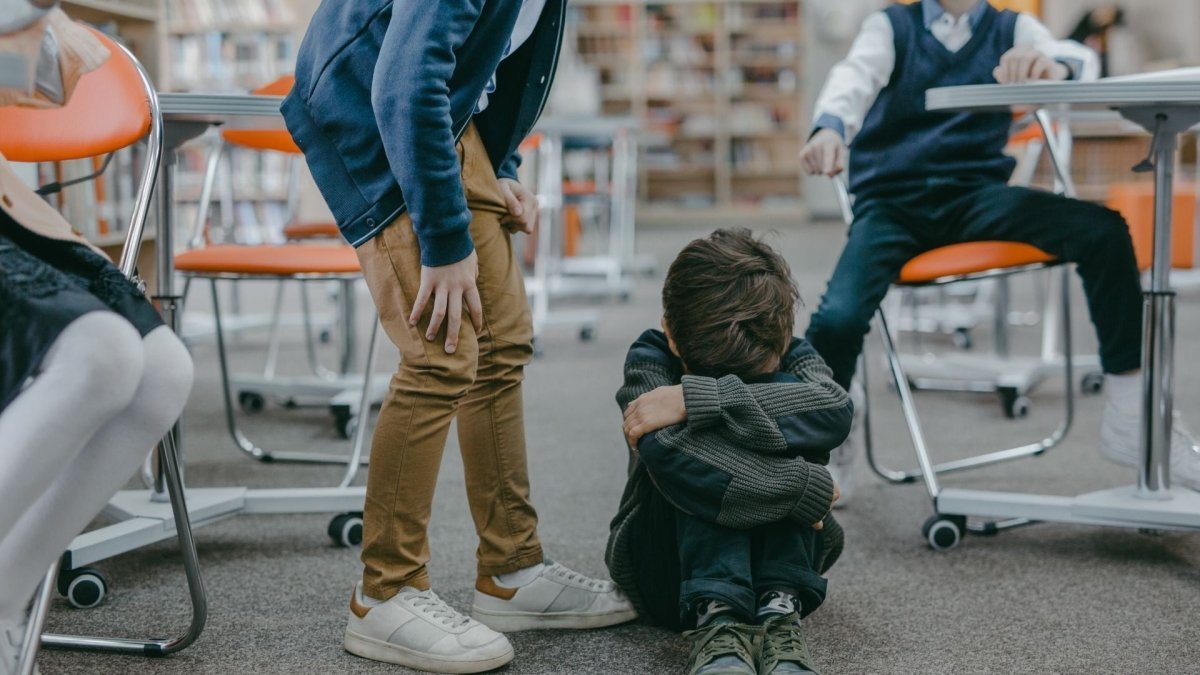
How board games can help prevent bullying among teenagers
Bullying among teenagers is not simply a “conflict”: it is repeated, deliberate violence involving an imbalance of power (physical, social, or digital). It can be verbal, physical, psychological, or online (cyberbullying). Its effects are real: anxiety, isolation, academic difficulties, and loss of confidence. Acting early, with concrete tools adapted to the age group, makes a difference. TOPLA board games are designed to open up discussion , develop empathy , and encourage proactive approaches to bullying.
Harassment: what exactly are we talking about?
Harassment is defined as occurring when three elements are present: repeated acts, intent to harm (direct or indirect), and an imbalance between the perpetrator(s) and the target (strength, number, popularity, digital literacy, etc.). The most common forms among teenagers are:
- Verbal : repeated mockery, humiliation, threats.
- Social : exclusion, rumors, blackmail using friendship.
- Physical : pushing, shoving, theft, vandalism.
- Cyberbullying : insulting messages, sharing of humiliating content, online mobs.
National Anti-Bullying Day
Every year, a National Day Against Bullying at School takes place in early November . It's a key moment to raise awareness, launch educational initiatives, and remind everyone that prevention is everyone's responsibility : students, families, teachers, educators, and associations. An article, a workshop, or a TOPLA game session during this period amplifies these essential messages.
What the law says and the possible penalties
In France, school bullying and cyberbullying are offenses . These acts can lead to disciplinary action within the school (warnings, educational measures, temporary or permanent exclusions) and, in the most serious cases, to criminal prosecution (with penalties adapted to the age of the perpetrators, the seriousness of the offense, and the presence of any aggravating circumstances). The primary objective remains the protection of students and the support of both victims and witnesses.
Why board games are a powerful tool for prevention
- Taking a step back : teenagers experience scenarios and discover the real impact of their choices.
- Safe setting : sensitive topics are discussed “through play”, without exposing anyone.
- Immediate feedback : we see what calms a conflict, what exacerbates it, what protects.
- Values embodied : respect, empathy, courage to intervene become concrete actions.
- Motivation : short games, clear rules, dynamic debates: attention remains sustained.
TOPLA: Two flagship games to combat harassment
1) Can YOU? – The Game of Privileges (TOPLA)

This game, *Can You? *, highlights the invisible privileges that influence relationships: perceived advantages, social codes, and implicit expectations. Teenagers discover how these disparities can fuel injustice , stereotypes , and exclusion . After each round, a discussion allows participants to verbalize their feelings and identify inclusive attitudes in their daily lives. It's an excellent springboard for talking about respect , non-discrimination , and individual responsibility within a group.
2) No Way Bully – The game to escape school bullying (TOPLA)

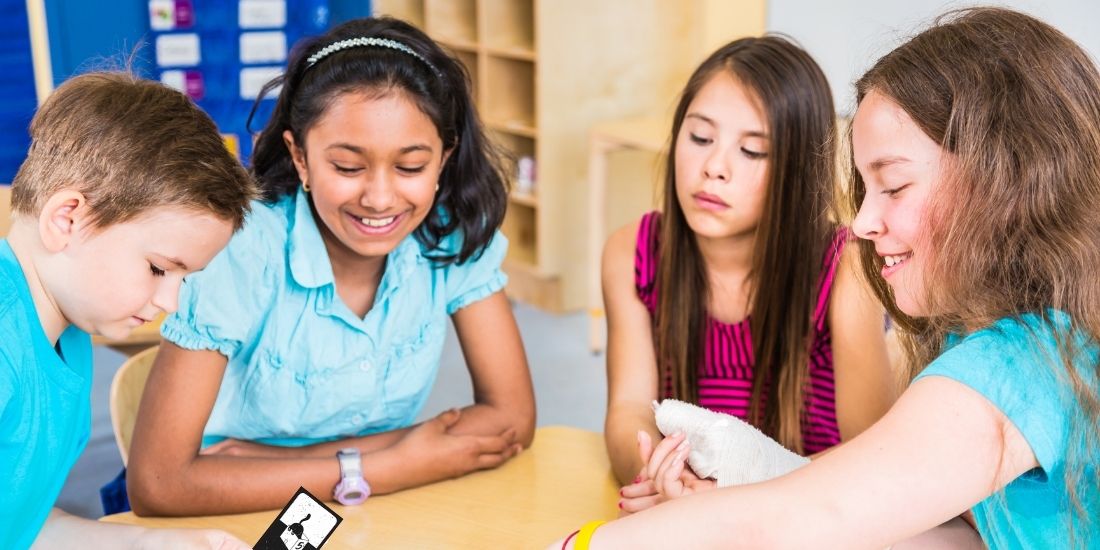
Designed to directly address situations of harassment (verbal, social, online), this game, No Way, Bully!, offers "Situation" cards describing a harassment situation and providing four possible reactions, as well as "Evaluation" cards . Players will evaluate each reaction, discuss their reasoning , and assess its potential effects: alerting an adult, supporting the victim, advising a friend, documenting digital evidence, etc. The goal is to change the relationship between the harasser and the harassed and to provide the harassed with strategies and tools to escape the harassment.
Ready-to-use workshop: facilitating a TOPLA session in middle/high school
- Setting the stage (5 min): respect, listening, right to silence. No personal accounts should be shared in cases of school bullying.
- Choose the game and the objective (5 min): “understand privileges” (Can YOU?) or “react to a situation” (No Way Bully).
- Play & observe (15–25 min): short games; note key phrases, strategies, emotions.
- Debrief (10 min): “What protects?”, “What would be more effective?”, “What would you do tomorrow?”.
Animation tip: include an “emotional pause” card allowing a player to step back for a few minutes if a scenario upsets them.
Early detection: warning signs & posture of adults
- Sudden changes : isolation, loss of interest, sleep disturbances, declining performance.
- Damaged items , frequent requests for money, apprehension about going to class.
- Online : disturbing messages, cloned accounts, mockery in private groups.
The adult's role: listen without minimizing , note the facts , do nothing without the harassed person's consent, discuss possible responses with them, and ask for help if overwhelmed by emotion or unsure of what to do . The goal is to accompany and support.
FAQ – Preventing harassment through play with TOPLA
Can a game "solve" harassment?
A game is not a substitute for therapeutic support. However, it creates a space for social practice where responses are tested, speech is normalized , and mutual support is valued . It is a concrete tool for prevention.
At what age should I start?
Starting in primary school, with short formats, clear rules and guided debriefings . Adapt the complexity of the scenarios to the age and experience of the group.
How long does an effective session last?
Between 30 and 45 minutes is enough: a game, an exchange, an action plan. Regular workshops are better than marathons.
Conclusion: to foster the courage to act
Preventing bullying among teenagers involves understanding the mechanisms , putting words to it , and practicing how to take action . The games TOPLA — Can YOU? — The Privilege Game and No Way Bully — The Game to Stop School Bullying — offer this training: concrete situations, choices to discuss, and tools to take action. At school, in community centers, or at home, each session helps the group progress toward a culture of respect and solidarity .
.%20It%20can%20be%20verbal,%20physical,%20psychological,%20...)
Leave a comment
This site is protected by hCaptcha and the hCaptcha Privacy Policy and Terms of Service apply.