
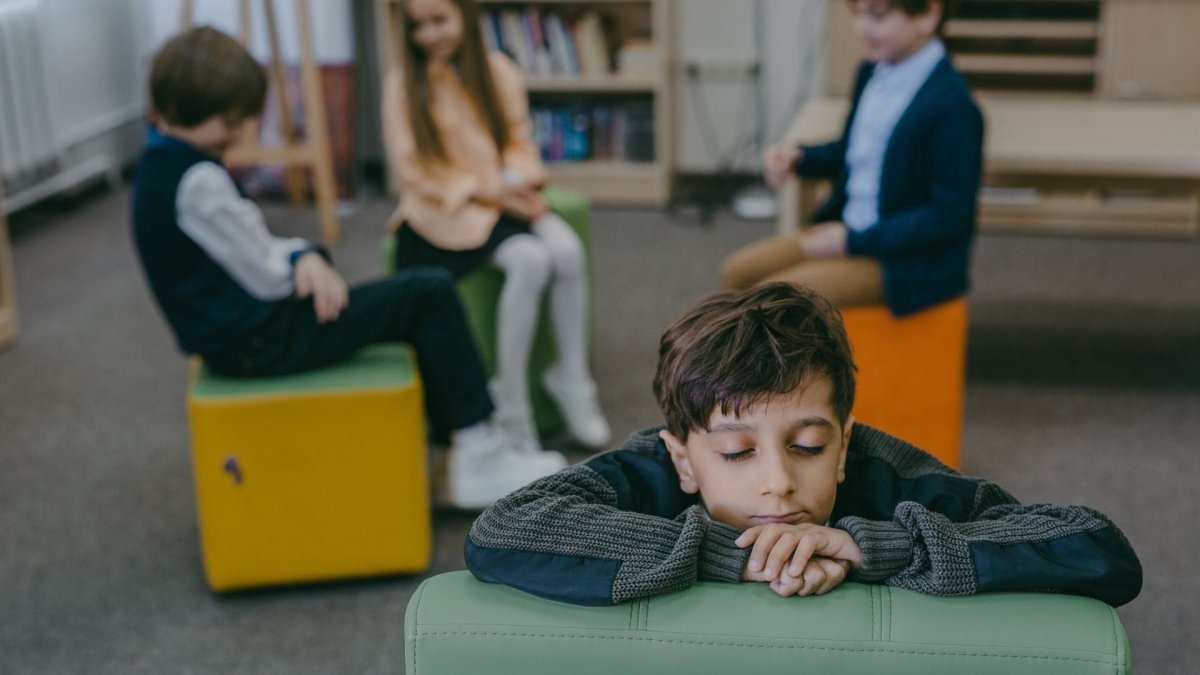
Learning to defend yourself: an essential key in the fight against harassment
How can we effectively combat the scourge of school bullying?Educational games , such as No Way, Bully!, offer a safe environment to understand the mechanisms of bullying and learn to act without violence, but by breaking the vicious cycle of the relationship between bully and victim.

Understanding harassment: what are we talking about?
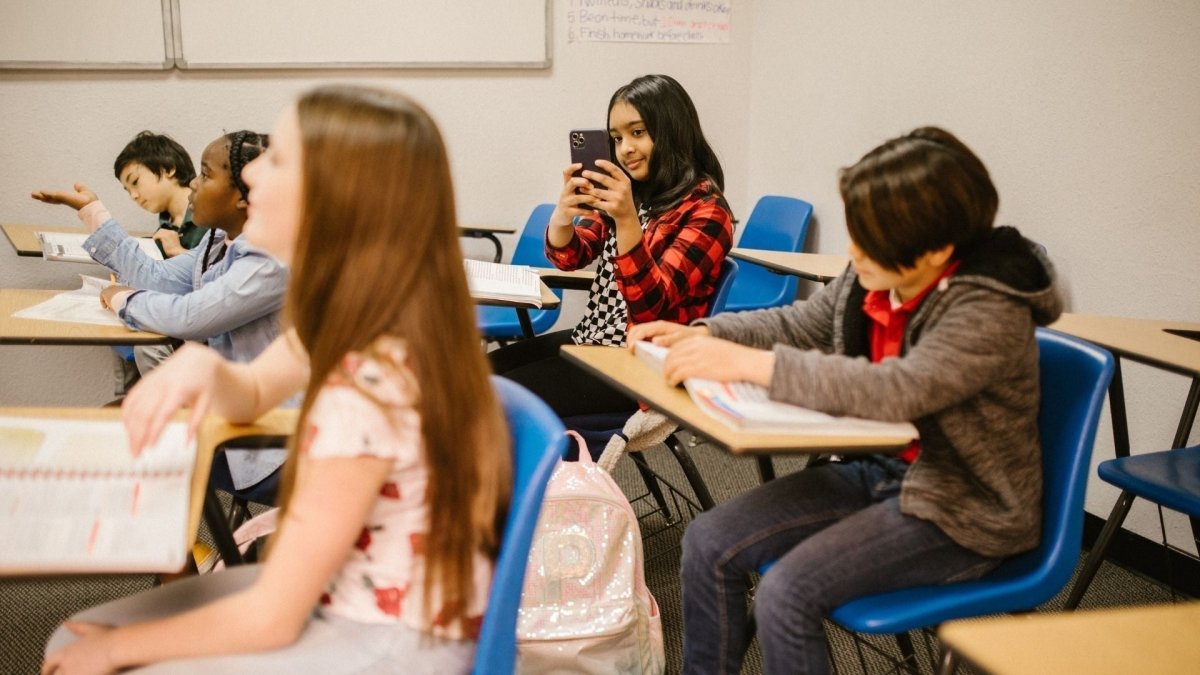
School bullying is characterized by repeated actions (teasing, exclusion, threats, humiliation, rumors, blackmail, assaults, cyberattacks, etc.) that create a situation of domination and a climate of insecurity for the targeted individual. Key examples include:
- Verbal and social harassment : insults, nicknames, deliberate isolation, spreading of rumors.
- Physical harassment : pushing, theft, vandalism, hurtful gestures.
- Cyberbullying : hostile messages, images, videos or groups online, which amplify the impact through their dissemination and persistence.
The consequences for the victim can be severe: anxiety, withdrawal, loss of self-esteem, declining academic performance, sleep disorders, and school phobia. The challenge, therefore, is to act early, using tools that resonate with young people and empower them to contribute to a supportive school environment .
The legal framework: responsibilities and duty to act
In France, bullying among students falls under criminal law . It can be classified as an offense and result in sanctions (educational measures, fines, and prison sentences depending on the severity, the age of those involved, the nature of the acts, and their consequences). Cyberbullying is also punishable. Aggravating circumstances (for example, the victim's vulnerability or the organization of the acts using digital tools) can increase the penalties.
Schools have a duty of prevention and protection : to implement educational initiatives, alert and support systems, and to report serious situations. Families, educational staff, and student witnesses also have a crucial role: to identify, alert, and provide support .
Beyond texts, the most effective prevention remains helping young people regain control and find within themselves the tools to get out of the situation.
Is empathy enough?
Empathy is the ability to understand the emotions and needs of others . Developing this skill in children allows them to:
- To increase the sensitivity of witnesses : instead of remaining passive, they are better able to identify a problematic situation and know how to intervene safely and effectively.
- To reduce trivialization : “jokes for laughs”, challenges, mockery… empathy helps to measure the real impact on the person who suffers.
- To promote repair : a student who understands the other is more willing to apologize, restore the relationship and change their behavior.
Unfortunately, appealing to empathy is not enough and is often ineffective in an established harassment situation. The desire to dominate and the fear of being harassed oneself are stronger than compassion.
The game as an emotional training ground

Inclusive gaming offers a safe space to experiment, reflect, and learn without stigmatizing. With No Way, Bully!, players are confronted with realistic bullying situations (at school, online, etc.), then explore possible responses : what can be done to protect oneself, who can be talked to, how can a bystander provide support, and what non-violent alternatives exist to de-escalate the situation?
Each round follows a simple and effective logic:
- Discovery of a short and concrete scenario .
- A reasoned choice of one or more possible reactions .
- Group discussion : analysis of the consequences, what helps, what aggravates, what protects.
- Putting things into perspective through reminders of good practices and suggestions for action.
This playful framework aims to restore confidence and hope: it is possible to escape harassment by changing one's attitude.
Skills developed with No Way, Bully!
- Recognize a situation of harassment and distinguish it from an isolated conflict.
- Identify the emotions present (fear, shame, anger, guilt) and name what you are feeling.
- Consider possible actions : which are risky? Which are more effective? Why?
- Getting ready : young people can use the answers to find the best solutions within themselves.
Activity tips for teachers, educators and families
To get the most out of the game, a few principles facilitate learning and emotional safety:
- Establish a supportive environment : simple rules (respect for speaking, confidentiality, right of way).
- Adapt the scenarios to the age and experience of the group. "Situation" cards can be selected according to the players' ages. Some are specific to middle and high school.
- Promoting alternatives : each round aims to broaden the range of possible reactions, not to seek "the only correct answer".
- Conclude with a summary : recap of warning signs, contact persons, internal numbers of the institution, alert procedures, and effective solutions
Legal and educational guidelines to pass on to young people
Without turning the session into a law lesson, it is useful to recall some simple points:
- Harassment is against the law and can be punished. Digital tools do not shield users from responsibility: publishing, sharing, or liking hurtful content can make the perpetrator liable.
- Institutions have an obligation to act : prevention, protection, reporting, support for victims and educational work with perpetrators.
- Witnesses are not powerless : they can interrupt a situation by going to get an adult, support the person targeted, and refuse to relay it online.
Presented in this way, the guidelines reinforce confidence: everyone knows what they can do, what they should avoid, and who to contact.
Examples of how a workshop and a game unfold.
| Objective | Possible play | Targeted skill |
|---|---|---|
| Identifying a harassment situation | Reading of a short scenario, vote on "harassment/conflict" followed by a reasoned debate | Analysis, identifying signs, critical thinking |
| Think about possible actions | "I ignore it," "I'm making fun of myself," "I'll go find an adult," discussion about the consequences | Regaining control, responsibility, security |
| Getting out of a climbing situation | defuse the situation without humiliating, formulate a clear message | Nonviolent communication, self-control |
What children remember most
- Harassment rarely stops on its own: you mustn't let it happen and you must find ways to defend yourself without violence.
- Witnesses matter : a look, a word, an outstretched hand can change everything.
- Online too , we are responsible for what we share and what we comment on.
- Asking for help is not a betrayal : you must tell the adult that they must not do anything without the consent of the child or teenager who is confiding in you about a bullying situation.
No Way, Bully! in a prevention program
The game can be easily integrated into an annual project : awareness sessions, themed weeks, class time, parent-student workshops, and actions by the prevention committee. It can also be used to support an identified situation, to help students find the words to express themselves and rebuild a safe group environment .


Leave a comment
This site is protected by hCaptcha and the hCaptcha Privacy Policy and Terms of Service apply.